British Shorthair vs Ragdoll: which suits your Singapore home?
The British Shorthair and the Ragdoll are the two breeds Singapore buyers weigh against each other most often — and the two we raise at Meowtelier, so we watch the difference play out in our own home every day. Both are gentle, apartment-friendly and family-safe. But they are gentle in genuinely different ways, and choosing between them comes down to the kind of companionship you want. Here is an honest comparison.
Two kinds of gentle
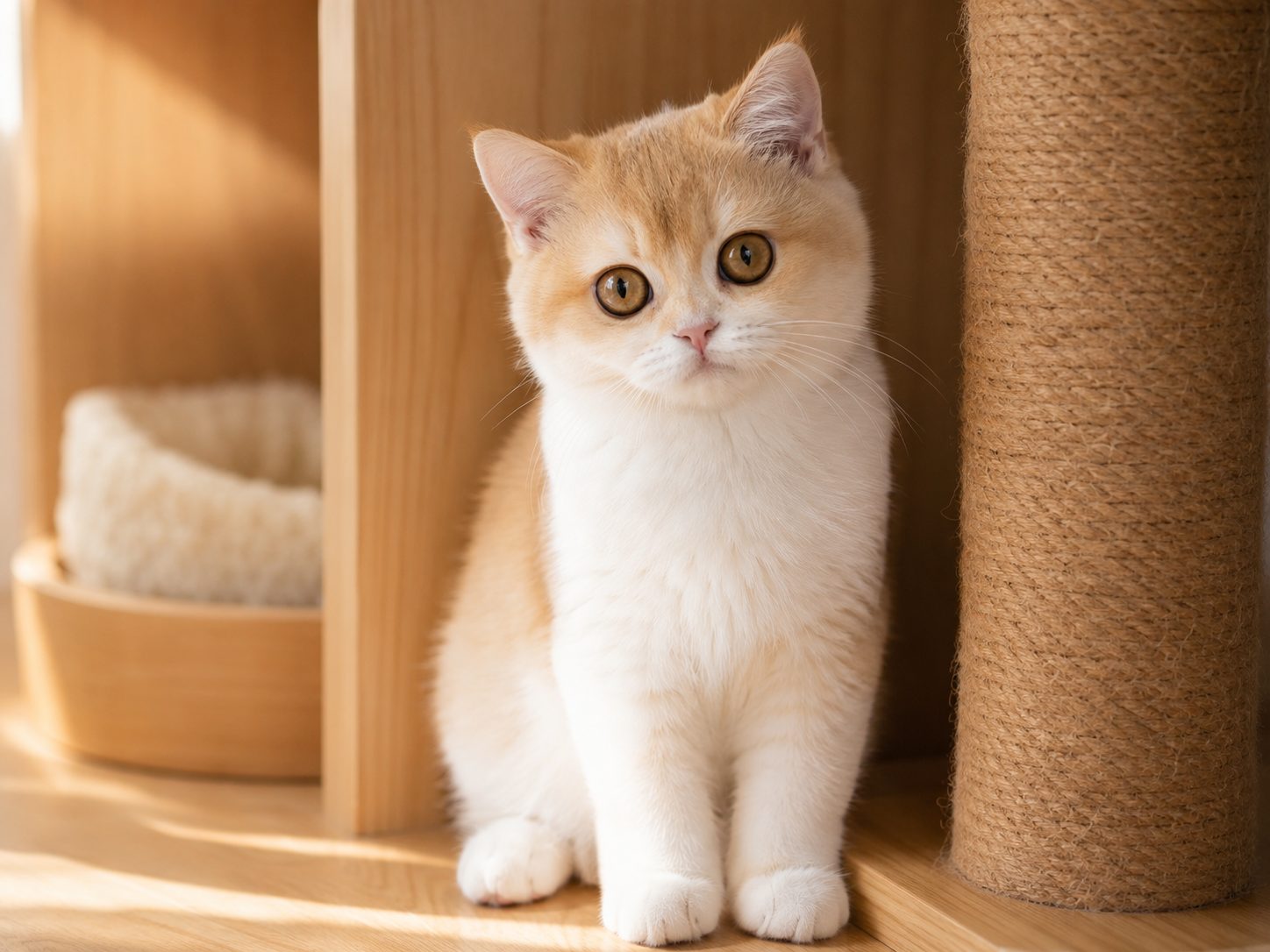
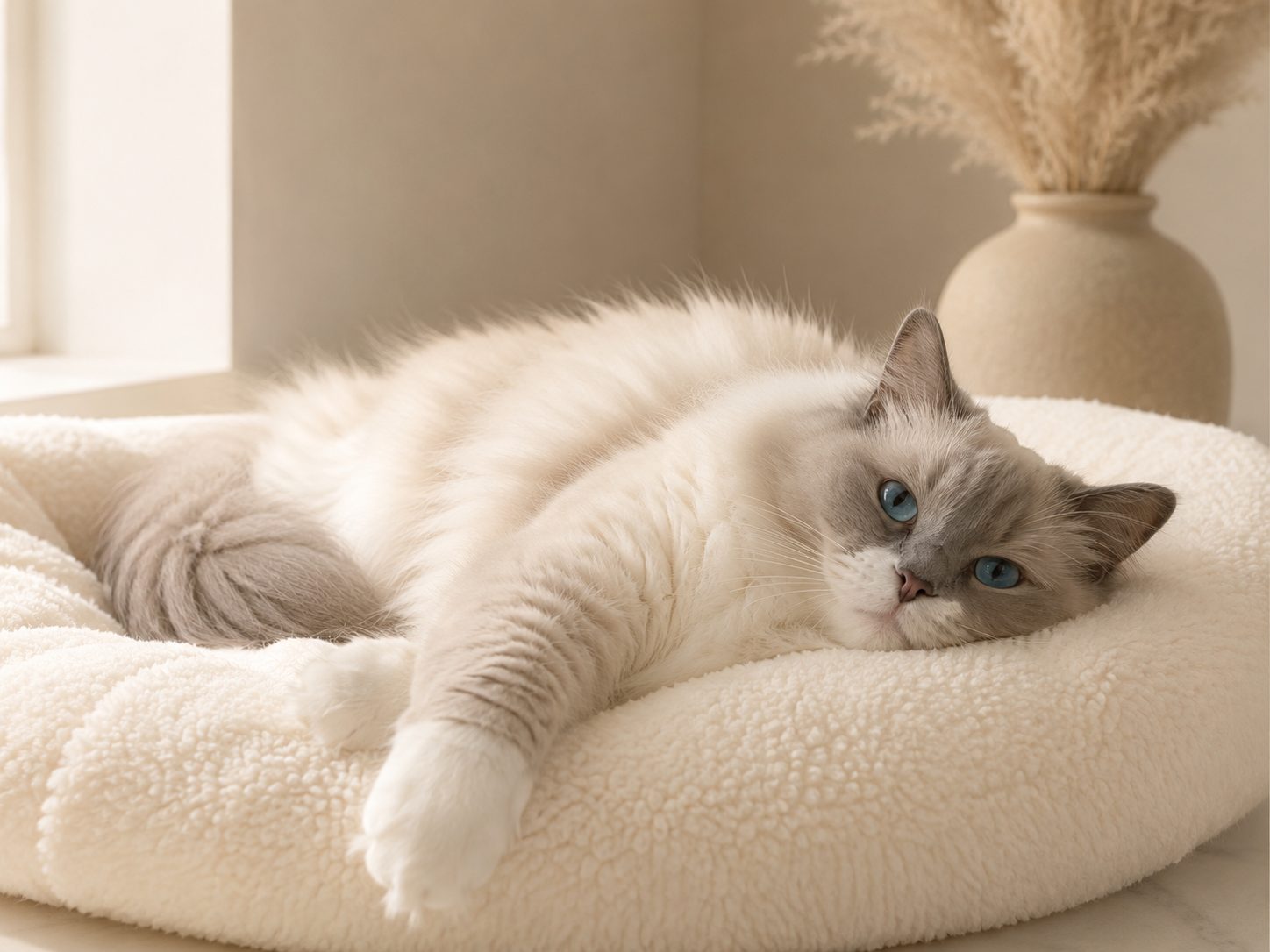
The British Shorthair is the independent companion: affectionate, but on its own terms. It will keep you company in the same room, follow you at a dignified distance, and prefer sitting beside you to sitting on you. The Ragdoll is the devoted one: famously floppy when picked up, inclined to follow you from room to room, greet you at the door, and drape itself across your lap for as long as you will allow. If you want a calm presence that copes beautifully with your absence, that is the BSH. If you want a cat that behaves a little like a gentle dog, that is the Ragdoll. Our British Shorthair guide and Ragdoll guide go deeper on each.
Size and presence
Both are substantial cats, but the Ragdoll is one of the largest breeds in the world — males commonly reach 6–9 kg and take up to four years to finish growing. The British Shorthair is stocky rather than long: a dense, compact 4–7 kg with a rounded, teddy-bear build. In a flat, the practical difference is modest — neither is a climber of curtains — but a full-grown Ragdoll male is a visibly bigger animal, and his cat tree, carrier and litter tray should be sized accordingly.
Coat and grooming
The BSH wears a short, dense, plush coat: a brush once or twice a week and you are done. The Ragdoll carries a semi-long, silky coat that mats less than it looks like it should — it lacks a heavy undercoat — but still wants brushing two to three times a week, with attention behind the ears, in the armpits and along the britches. In Singapore’s humidity, both shed steadily year-round rather than seasonally. If grooming time is a deciding factor, the BSH is the lower-effort cat; our guide to BSH care in Singapore’s climate covers the routine.
Apartment fit: HDB and condo
Both breeds are quiet, indoor-content and well within the temperament HDB living asks for — and both are fully at home under Singapore’s cat licensing framework (see our HDB guide). The distinction is emotional, not spatial. The BSH handles long working hours with unbothered independence. The Ragdoll, bred for human company, is happier in households where someone is home more often, or where a second cat provides company. For a family that is out ten hours a day, the BSH is the kinder choice; for a home with someone usually around, the Ragdoll’s devotion gets the audience it wants.
Children and other pets
Both are excellent with children — it is one of the reasons they dominate family shortlists. The Ragdoll’s legendary tolerance makes it the classic choice for homes with young kids: it goes limp rather than lashing out, though that same placidity means adults must make sure children handle it respectfully. The British Shorthair is patient too, but with firmer boundaries — it will simply remove itself from toddler chaos rather than endure it. Both integrate well with other calm pets when introduced gradually.
Price in Singapore
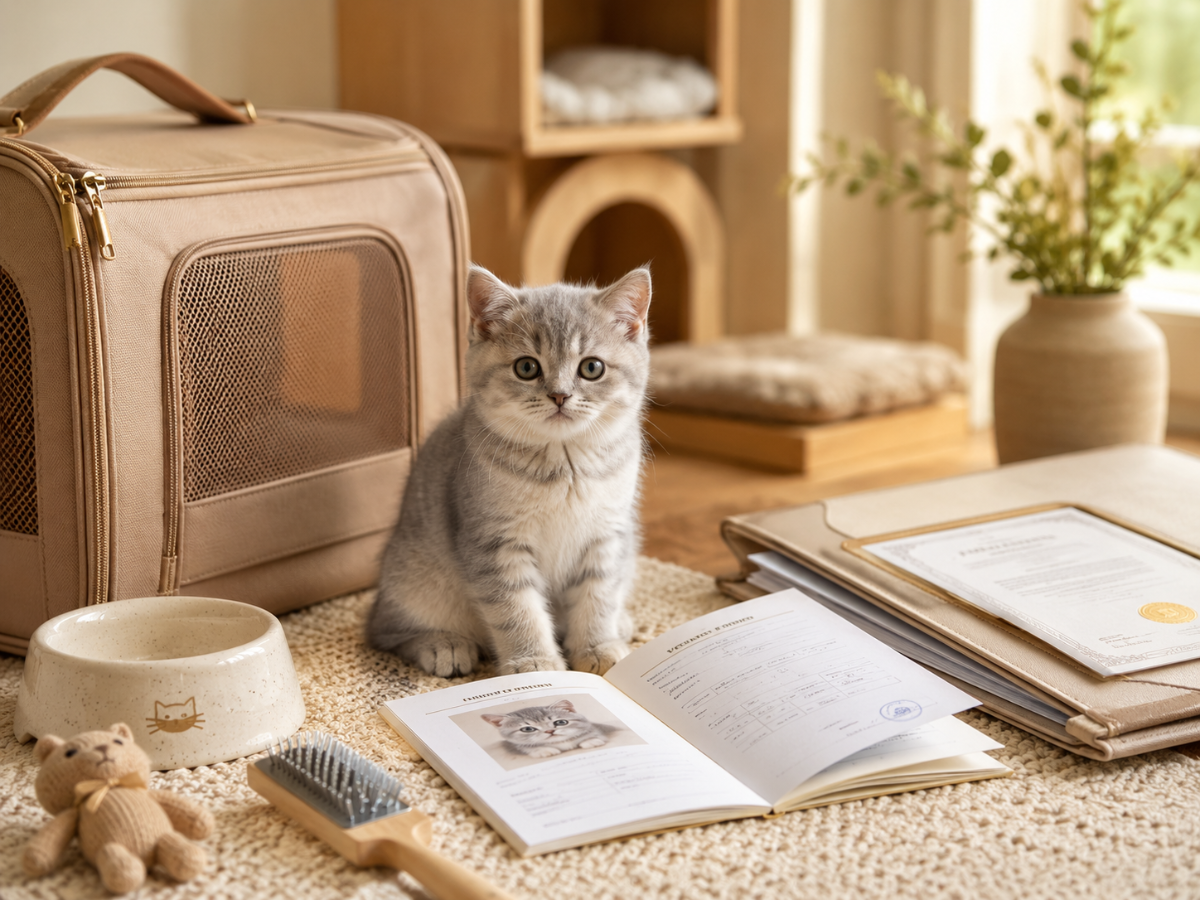
At Meowtelier, Ragdoll kittens start from SGD 5,XXX and British Shorthairs from SGD 5,XXX, with exact pricing depending on colour, pedigree and registration. Both come with the same foundations: DNA-tested parents, TICA or ANCATS registration where applicable, vaccination, microchipping, vet checks and 1 year of health insurance. For what those numbers are made of, see how much a pedigree kitten costs in Singapore.
How to decide
Ask one question honestly: how much companionship do you want to give? If the answer is “a steady, undemanding presence that fits around my life”, choose the British Shorthair. If it is “a shadow that follows me to the kettle and sleeps on my feet”, choose the Ragdoll. There is no wrong answer — and the best way to be sure is to meet both. We usually have British Shorthair and Ragdoll kittens in the cattery at the same time; book a visit and spend twenty minutes with each. The right breed tends to announce itself.
Frequently asked questions
Which is better for an HDB flat: British Shorthair or Ragdoll?
Is a Ragdoll or British Shorthair cheaper in Singapore?
Which breed is better with young children?
Which needs more grooming?
Looking for a British Shorthair in Singapore?
Book a private viewing at our AVS-licensed cattery — we're happy to walk you through paperwork, health records and temperament.